
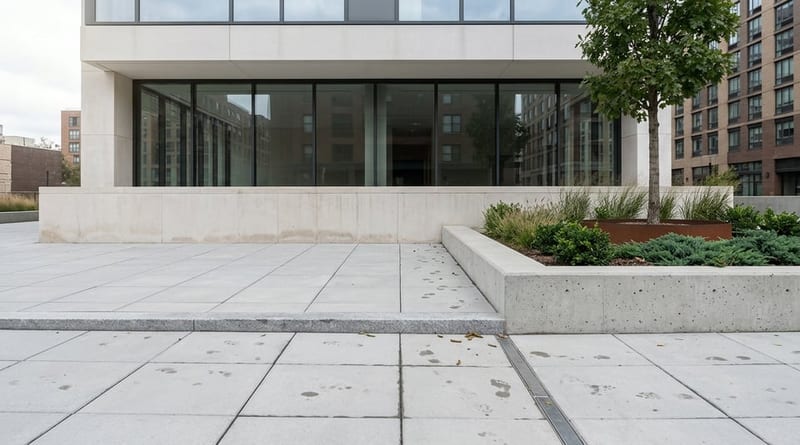
If you are deciding where to live in Long Island City, the choice is often less about the neighborhood as a whole and more about which part of LIC fits your daily routine. A home near the East River can feel very different from one closer to Court Square or Queens Plaza, even when the distance between them is short. This guide breaks down the tradeoffs between waterfront living and interior blocks so you can weigh views, parks, transit, street character, and housing options with more confidence. Let’s dive in.
Why this LIC comparison matters
Long Island City is not one uniform residential experience. City planning materials describe an area that stretches from the East River waterfront toward Crescent Street, Queens Plaza North, and 47th Avenue, with one segment extending to 39th Avenue between 21st and 23rd Streets. Within that footprint, the waterfront and the interior blocks function very differently.
The waterfront is shaped by park frontage, newer mixed-use development, and public access along the river. Interior LIC is shaped more by major transit hubs, older industrial fabric, and mixed commercial and residential blocks. If you are buying or renting in LIC, that distinction can have a real impact on how your home feels day to day.
What counts as waterfront in LIC
For most buyers and renters, the waterfront means the East River edge around Gantry Plaza State Park, Hunter’s Point South Park, Queens West, and the Center Boulevard and Vernon Boulevard corridor. This is the section of LIC most associated with skyline views, open space, and newer high-rise buildings.
City planning documents describe this area as a transition from lower-scale industrial buildings along Vernon Boulevard to taller apartment buildings and park spaces at Queens West and Hunter’s Point South. In practical terms, that means many waterfront homes are tied closely to the riverfront public realm.
Waterfront lifestyle at a glance
The strongest draw here is open space. Gantry Plaza State Park offers 12 acres along the river with four piers, gardens, playgrounds, sports courts, a mist fountain, and a fishing pier. Hunter’s Point South Park adds another 11 acres with a central green, recreation areas, a dog run, playgrounds, and a pavilion.
If your ideal routine includes morning walks by the water, easy access to outdoor space, and wide-open views, the waterfront usually delivers that more directly than inland blocks. The feel is more park-edge residential than transit-interchange urban.
What counts as interior blocks in LIC
Interior LIC usually refers to areas like Court Square, Queens Plaza, Jackson Avenue, and parts of Long Island City West and Hunters Point away from the East River edge. These blocks tend to be more shaped by subway access, commercial uses, and older industrial streetscapes.
Official planning materials describe LIC’s core as compact, pedestrian- and transit-oriented, with elevated transit and roadway structures playing a visible role in the built environment. Some stretches also remain industrial in character, especially farther from the park-front corridors.
Interior street character
Interior blocks can feel more urban, utilitarian, and varied. Environmental review documents note features like bridge traffic, elevated train tracks, truck traffic, and nearby industrial activity in parts of LIC, especially around Queens Plaza South and Queens Plaza North.
That does not mean every interior block feels the same. Some western portions have relatively lower noise and street activity, but inland industrial areas may also have fewer streetscape amenities and lower pedestrian activity than the waterfront. If you value transit access and building variety more than a park-front setting, that tradeoff may work in your favor.
Open space and views versus transit convenience
One of the clearest tradeoffs in LIC is outdoor lifestyle versus subway flexibility. The waterfront is the easier choice if views and park access are at the top of your list. Interior LIC is often the easier choice if your routine depends on fast transfers and multiple train options.
Waterfront access patterns
Waterfront residents often rely on the 7 train, the Long Island Rail Road, and ferry service. The 7 serves Vernon Boulevard-Jackson Avenue, Hunters Point Avenue, and Court Square. The Long Island City LIRR station connects with Vernon Boulevard-Jackson Avenue and NYC Ferry access, and the East River ferry route serves Hunters Point South.
That setup can work well if you like having rail and ferry options, but it is usually not as flexible as being closer to LIC’s main subway transfer hubs. For many people, the tradeoff is simple: fewer train choices in exchange for direct access to the waterfront public realm.
Interior transit patterns
Interior blocks usually offer more subway flexibility. Court Square serves the E, G, and M, with 7 service in peak periods, while Queensboro Plaza serves the N, W, and 7.
If your work, social plans, or daily routine depends on easy transfers, interior LIC can be more practical. You may give up some park access and river views, but you gain a more connected transit position.
Housing stock feels different on each side
The built environment is another major difference. The waterfront is dominated by newer, taller development, while the interior includes a broader mix of older loft-style buildings, rowhouses, apartment buildings, and mixed-use properties.
That matters because the housing search in LIC is rarely one-size-fits-all. Building age, layout, amenities, and street context can vary sharply within a short walk.
Waterfront building profile
Waterfront design guidelines describe loft-like bases with taller residential towers above, using massing and materials that reference LIC’s industrial past. High-rise apartment buildings with park spaces at Queens West and Hunter’s Point South are a defining part of this context.
For buyers and renters, that often means newer inventory, more vertical living, and a stronger connection to amenities tied to newer development. If you are looking for a modern high-rise condo or rental experience, the waterfront is usually where that search starts.
Interior building profile
Interior LIC offers a wider mix of forms. Planning and environmental materials describe one-story buildings, three- to six-story industrial loft buildings, historic rowhouses, apartment buildings, and commercial structures across sections like Long Island City West, Hunters Point, and Court Square.
That range can create more variety in layout and building character. It also means your search may need a more building-by-building lens, especially if you are comparing older loft stock, mixed-use buildings, or more traditional residential forms with newer product nearby.
How to think about budget and value
A smart LIC search should focus less on a broad price assumption and more on what you are paying for in a specific building and location. Research on the neighborhood’s housing mix supports a building-by-building view rather than a simple waterfront-versus-interior price rule.
On the waterfront, value often comes from direct park access, skyline views, and newer tower living. In the interior, value may come from transit flexibility, different building types, and a broader range of streetscape conditions. The right fit depends on whether your priorities are visual, logistical, or tied to a certain kind of building experience.
LIC is still evolving
Long Island City is still changing, and that matters if you are thinking long term. The city’s 2025 OneLIC plan is intended to improve waterfront access and add housing, which suggests that some waterfront-adjacent areas may continue to evolve in the near future.
For buyers, that can shape how you think about future neighborhood change. For renters, it is a reminder that today’s street feel and tomorrow’s may not be identical, especially in areas near active planning and redevelopment efforts.
Which LIC setting fits you best?
If you are trying to narrow the choice, a simple framework can help.
Choose the waterfront if you prioritize
- Direct access to Gantry Plaza State Park or Hunter’s Point South Park
- Skyline views and a more open setting
- A newer high-rise condo or rental environment
- A daily routine centered on outdoor space and riverfront living
Choose interior blocks if you prioritize
- More subway options and easier transfers
- Proximity to Court Square or Queensboro Plaza
- A broader mix of building types and ages
- A street environment shaped more by commercial, industrial, and mixed-use activity
The best LIC choice is personal
Neither option is automatically better. The best choice depends on how you live, commute, and define convenience. In LIC, a home near the water can offer a very different rhythm from one near the transit core, and both can make sense when matched to the right priorities.
If you want help comparing specific buildings, blocks, or commute patterns in Long Island City, speak with Byson Real Estate Co.. Their advisor-led, data-informed approach can help you evaluate the tradeoffs clearly and move with confidence.
FAQs
What is considered the waterfront area in Long Island City?
- In LIC, the waterfront usually means the East River edge around Gantry Plaza State Park, Hunter’s Point South Park, Queens West, and the Center Boulevard and Vernon Boulevard corridor.
What is considered the interior part of Long Island City?
- Interior LIC usually includes areas like Court Square, Queens Plaza, Jackson Avenue, and inland mixed-use or industrial corridors away from the riverfront.
Is waterfront living in Long Island City better for park access?
- Yes. The waterfront is most closely tied to Gantry Plaza State Park and Hunter’s Point South Park, which together provide large public open spaces, recreation areas, and river views.
Are interior blocks in Long Island City better for commuting?
- They often are if you want more subway flexibility, because Court Square and Queensboro Plaza provide access to multiple train lines and easier transfers.
What types of buildings are common on the LIC waterfront?
- The waterfront is dominated by newer, taller residential development, including high-rise apartment buildings tied to park-front areas like Queens West and Hunter’s Point South.
What types of buildings are common in interior LIC?
- Interior LIC has a broader mix, including industrial loft buildings, rowhouses, apartment buildings, one-story structures, and mixed-use commercial and residential properties.
Is Long Island City still changing as a neighborhood?
- Yes. City planning efforts, including the 2025 OneLIC plan, are aimed at improving waterfront access and adding housing, so some parts of LIC are expected to keep evolving.