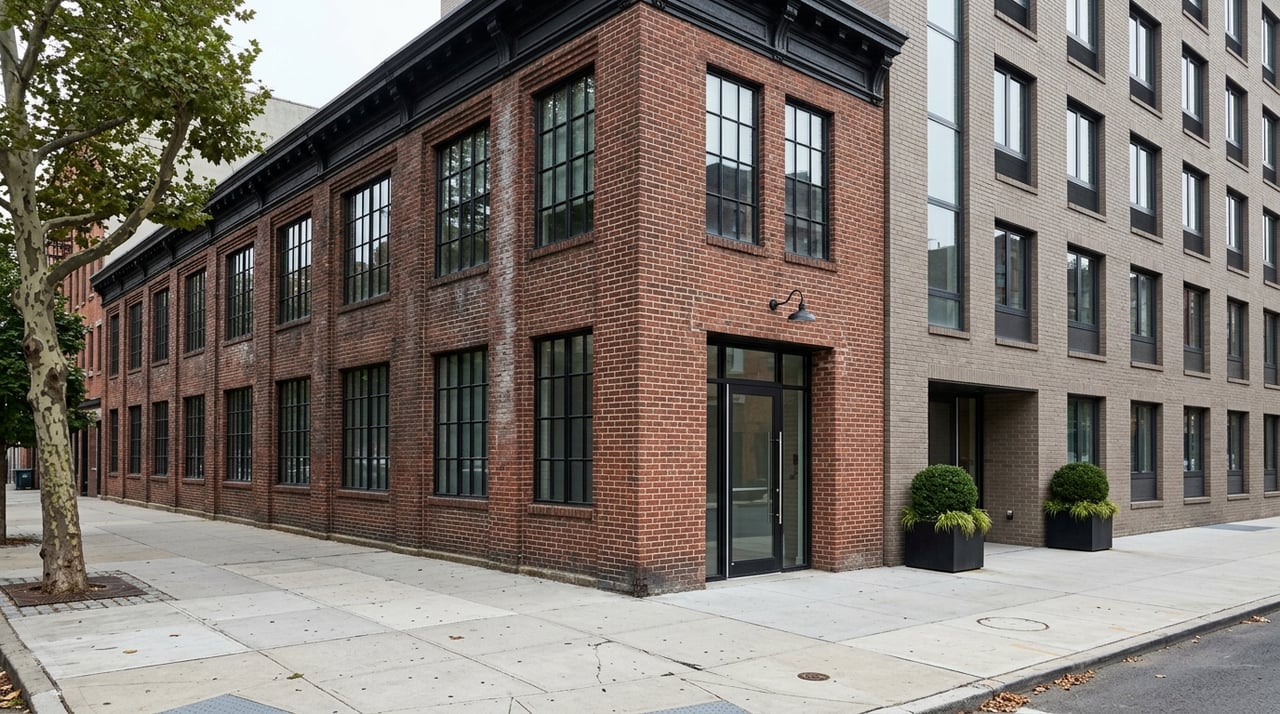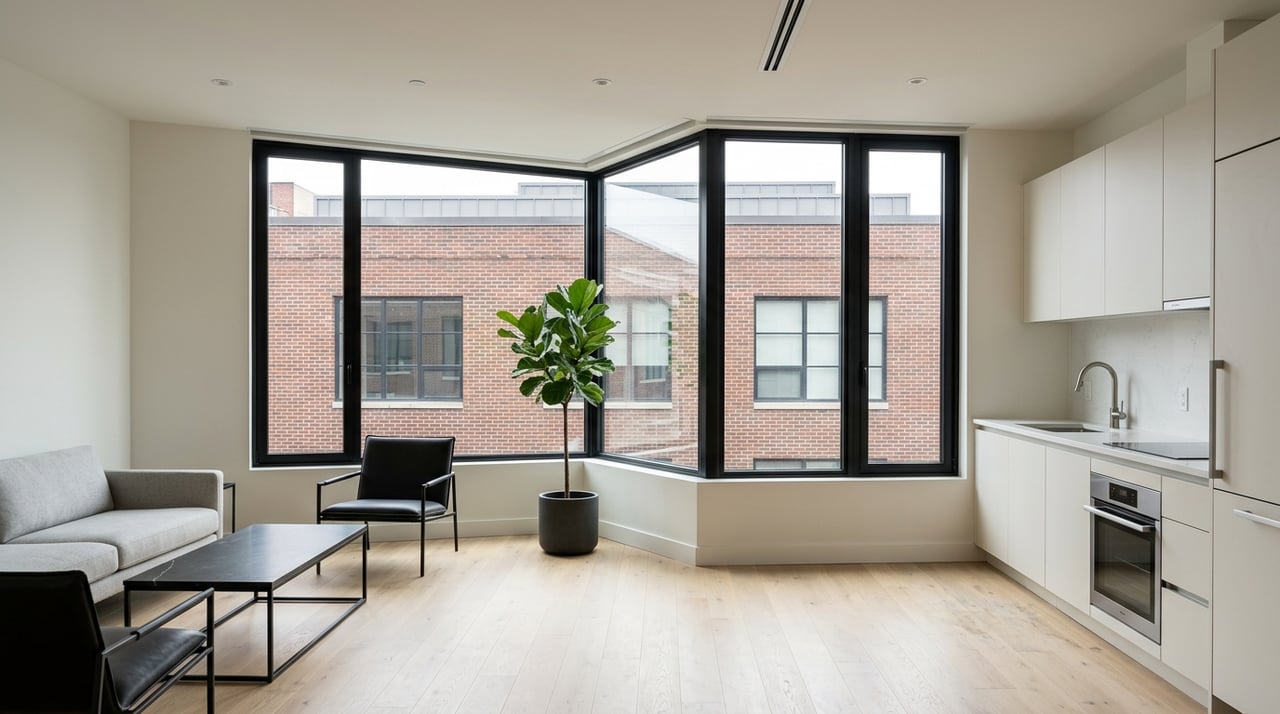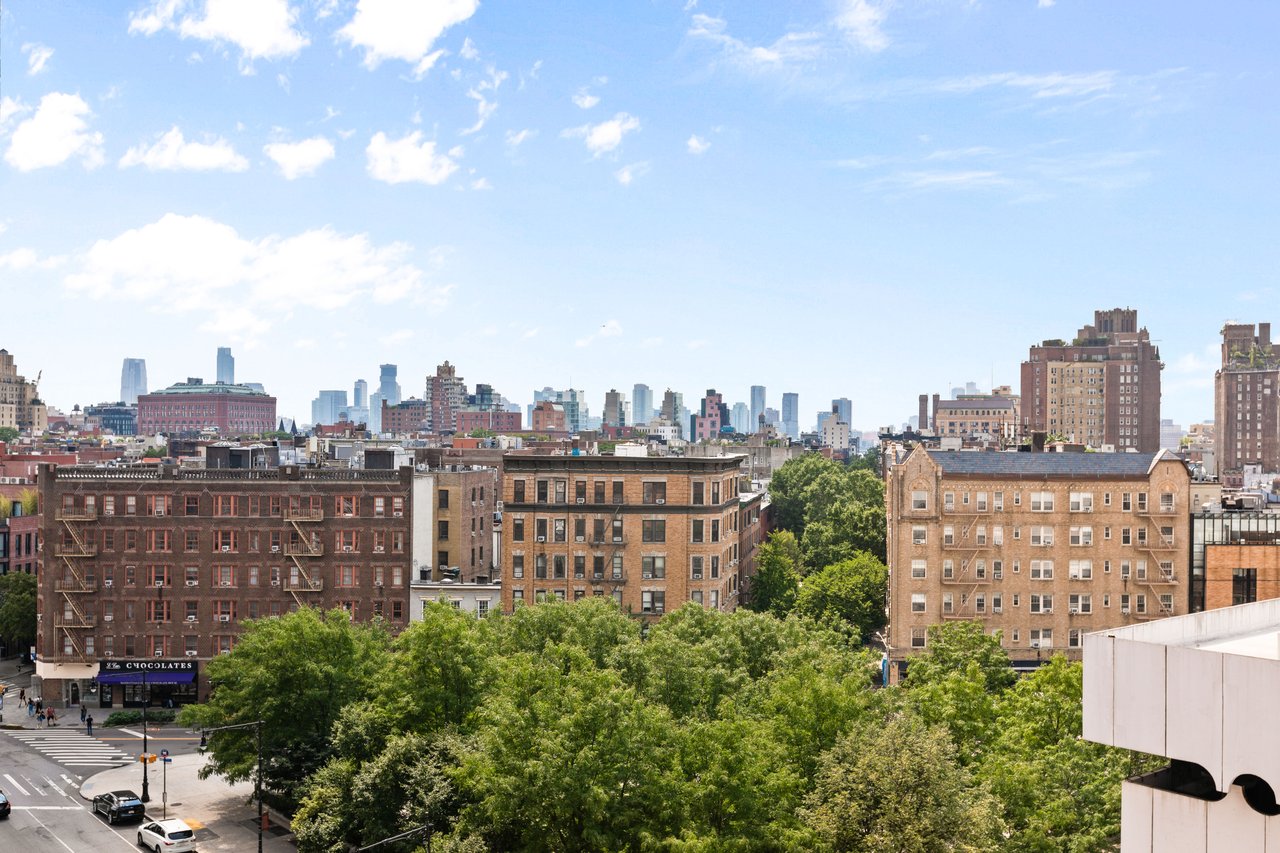
Which Long Island City condo costs more per square foot right now, a resale unit a few years past its certificate of occupancy or a brand-new sponsor listing? For most of the neighborhood's building boom, the answer was automatic. New construction carried the premium. Resale was where the deal lived. Through the first half of 2026, the two categories switched places, and the reason has less to do with buyer demand than with a tax clock that started ticking years before either listing hit the market.
Buyers shopping both categories side by side keep running into the same snag. A resale listing shows a lower monthly carrying cost than a comparable new-construction unit a few blocks away, and it's tempting to read that gap as pure savings. Often it isn't. A meaningful share of Long Island City's current resale supply comes from buildings that opened during the neighborhood's 2019 to 2021 construction wave, and many of those buildings still carry a 421-a property tax abatement that is years into a fixed phase-out schedule, not a permanent discount. Star Tower, a 182-unit condominium at 27-17 42nd Road completed in 2019, carries a 15-year abatement that runs through 2034. The Hero, another Long Island City tower from the same era, has units listed with abatements still in effect through 2033. Both dates are public record. Anyone can search a specific address on the city's Department of Finance 421-a exemption records and see the exemption type, the start date, and the year the benefit phases to zero.
The problem is that a simple price-per-square-foot comparison shows none of this. It shows today's number, not the year the number changes.
The Share That Flipped
Here's the data point that should reorder how buyers think about Long Island City right now. In the first half of 2026, resale condominiums took 55 percent of closing activity across the Long Island City and Astoria submarket, the highest resale share the market has recorded in seven years. Resale condo pricing rose 22 percent year over year to an average of $987 per square foot, a record for the category. New development pricing moved the opposite direction, down 4 percent to $1,091 per square foot.
Read those two numbers together and the old assumption breaks. New construction is still more expensive on a per-square-foot basis, but the premium is shrinking while resale value climbs toward it, not the other way demand would normally push things.
Overall closings for the first half of 2026 fell 20 percent year over year to 153, though that total still landed 25 percent above the 15-year average, the fourth-highest half-year figure since 2009. New development held flat at 81 closings and grew its share of total sales to 53 percent from 42 percent the year before, driven almost entirely by one building. Vesta, the sponsor project at 11-36 45th Road on Murray Park near MoMA PS1 and Gantry Plaza State Park, accounted for more than two-thirds of all sponsor activity in the half, closing units at a median price of $1.55 million, roughly a third above the market-wide median. That single project is doing enough volume to make new construction look stronger than the category average actually is.
Where the Resale Inventory Is Coming From
Active listings across the combined submarket rose 40 percent to 186 units in the first half of 2026, and nearly all of that growth came from resale supply. Resale condominium listings surged 81 percent to 58 units. Co-op inventory climbed 45 percent to 48 units. New development supply grew a comparatively modest 13 percent to 77 units.
One building explains a disproportionate share of the jump. Skyline Tower, the 67-story condominium that holds the title of tallest condo building in Queens, had zero active resale listings a year ago. It now has 26, making it the single largest source of resale supply in the neighborhood.
That's not a demand story. It's a supply echo. Owners who bought into Long Island City's construction wave between 2019 and 2021, many of them buying pre-construction or in a building's opening year, are reaching the point in ownership where they're ready to sell, refinance, or move on. Their units are hitting the resale market at the same moment new construction has consolidated into essentially one active sponsor project carrying most of the volume. Days on market for the overall market shortened 24 percent to 97 days in the first half of 2026, a sign that whatever gets listed, resale or new, is moving faster than it did a year earlier.
The Comparison That Actually Matters
None of this means resale is a weaker move in Long Island City right now. It means the comparison buyers need to run is different from the one most listings invite them to make.
A resale unit at Star Tower or The Hero, priced against a comparable new sponsor unit at Vesta, will often look like the better deal on carrying cost today. The tax line is doing real work in that comparison, and it won't do that work forever. An abatement running through 2033 or 2034 still has real years left as of this writing, which matters if the plan is to hold for five to ten years, but 421-a phase-out schedules typically ramp the tax bill up gradually in the final several years rather than converting the whole bill at once. A buyer who plans to hold past the expiration date needs the full year-by-year schedule, not just this year's bill, before deciding whether the resale price actually beats the new-construction price on a like-for-like basis over the length of ownership.
A few questions worth asking before comparing any two Long Island City listings on price alone:
- What is the exact 421-a exemption code and expiration year for this specific address, not just the building's general reputation for low taxes?
- Does the remaining abatement term match or exceed the expected hold period?
- Is the new-construction comparable actually receiving any tax benefit, or is its higher sticker price already reflecting a fully-taxed unit from day one?
- How does the phase-out schedule change the monthly number in year five, not just year one?
The city keeps every 421-a-benefited property on the public record, searchable by address, showing the exemption type and the schedule tied to it.
What This Means If You're Comparing Units Right Now
The price-per-square-foot gap between resale and new construction in Long Island City has narrowed to its smallest margin in years, and resale pricing specifically just set a record. That shift is being driven by a wave of 2019 to 2021 vintage owners exiting buildings like Skyline Tower at the same moment new construction has consolidated into one dominant project. Buyers who treat this as a simple value comparison, resale cheaper, new construction pricier, are missing the mechanism underneath it. The real comparison is between a fixed, expiring tax benefit on one side and a full tax bill on the other, and which one wins depends entirely on how long you plan to own the unit.
A Few Direct Questions
Does every Long Island City condo from the 2019-2021 boom carry a 421-a abatement? Not automatically, and the schedule varies by building and by the specific program version the developer filed under. Confirming status and expiration year requires searching the address directly on city property tax records rather than relying on a listing description.
Will the tax bill jump all at once when the abatement ends? Usually not. Most 421-a schedules phase the increase in over the final years of the benefit period rather than converting the entire bill in a single year, though the exact ramp depends on the program version tied to the building.
Is new construction in Long Island City still receiving any tax abatement? That detail wasn't confirmed for Vesta specifically. It's exactly the kind of line item worth verifying against the offering plan and Department of Finance record before comparing its carrying cost to a resale alternative.
If you're weighing a resale unit against new construction in Long Island City and want the actual year-by-year tax math before you write an offer, speak with a Byson advisor. We'll pull the abatement schedule, the offering plan, and the comparable closings, and tell you what the numbers look like in year five, not just today.